
Takeover 2 Beginner Tips: 12 Habits That Fix Your Run
New to Takeover 2? These 12 habits cover parry timing, crowd control, weapons, difficulty and co-op so your first Arcade run does not stall.
Takeover 2 is a short game that punishes autopilot. The fastest way to improve is to stop mashing, learn one parry tell at a time, and treat the environment as part of your move set. Source: Takeover 2 on Steam ↗
The first hour of Takeover 2 is misleading. The early enemies fall to a basic punch string, the stages are short, and it is easy to conclude that the game is a simple nostalgia piece. Then the game adds a shooter behind a wall of melee enemies, a grabber who punishes your third hit, and a boss who ignores your favourite combo. That is when the systems matter.
These tips are ordered by how much they change your first run. None of them require advanced execution.
1. Start on Classic difficulty
The achievement list confirms Classic, Mania and Hardcore as clear conditions. Start on the lowest difficulty available to you. Takeover 2's difficulty comes from enemy behaviour, and learning that behaviour on a forgiving damage curve is faster than learning it while being killed in two hits. You can raise the difficulty after your first clear.
If you are a veteran brawler, resist the urge to jump straight to Mania for the achievement. The Mania clear will be faster once you know the stage layouts and boss tells.
2. Fix your controls before you learn anything else
The game supports full controller support and keyboard-only play, and the demo added input customization. Spend five minutes in the options before your first stage. Bind parry to a button you can tap without moving your thumb, and make sure your attack buttons are comfortable for alternating presses.
If you are on Steam Deck or using Steam Input, test whether the game is reading a native controller or a virtual one. Double input is a common cause of "the controls feel laggy" complaints.
3. Learn the parry before the combo
The parry is the core defensive skill, and it is also the cleanest combo starter. Do a parry-only drill: enter the first stage, parry every attack you can identify, and do not attack back. You will take damage. That is the point. You are learning the tells without the distraction of a damage route.
Once you can parry the basic pipe swing on demand, add the counter. Once the counter is automatic, add two normals. The combo can wait.
4. Stop attacking when the parry lands
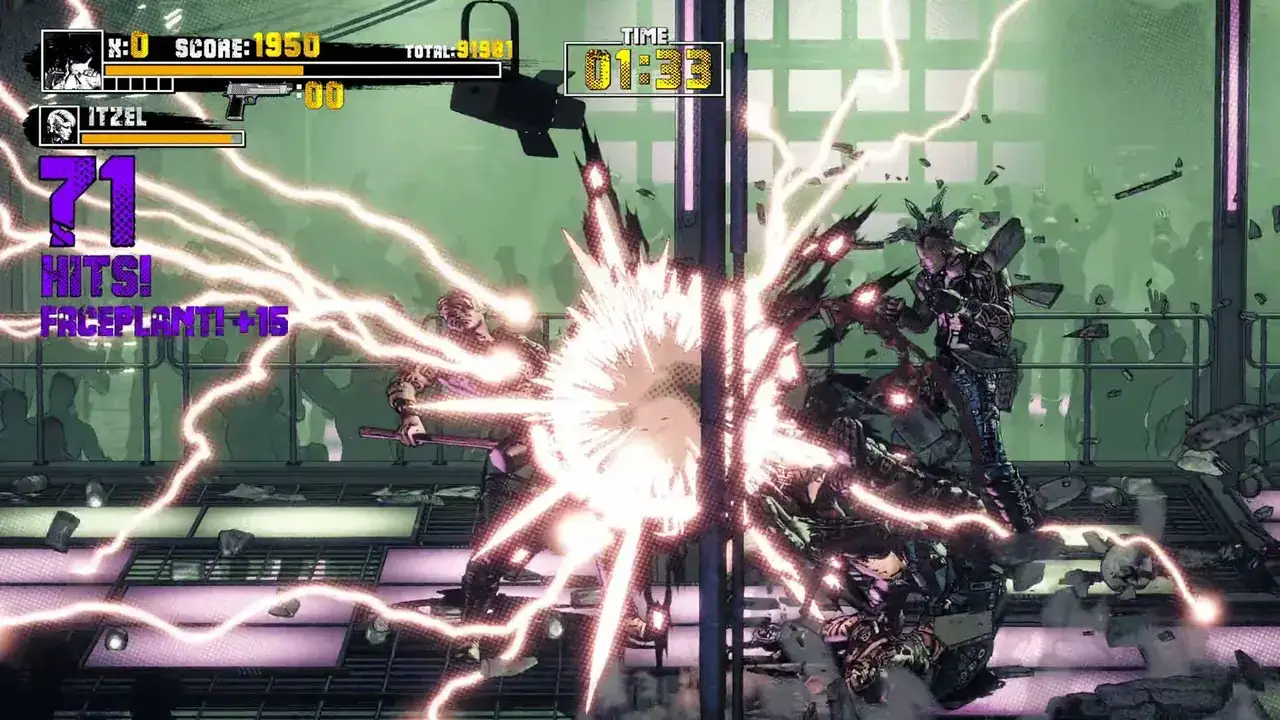
The most common beginner mistake is to keep mashing through the parry. The successful parry stuns the enemy, and the counter is a separate input. If your finger is already committed to a fourth punch, you will miss the counter window and hit nothing.
Train yourself to parry, then pause, then counter. The pause feels wrong at first. It becomes the rhythm of the game.
5. Parry the commit, not the wind-up
A wind-up is a warning, not an attack. Press parry when the attack is about to connect: the weapon reaches the top of its arc, the shoulder turns, the foot plants. If you parry at the first frame of the animation, you will whiff and eat the hit.
This is especially important against bosses. Their big moves have long wind-ups designed to bait an early parry. Watch the weapon, not the body.
6. Do not parry multi-hit flurries
A parry stops one hit. If an enemy throws a three-hit flurry, a successful parry on the first hit does not protect you from the second and third. Dodge out or block instead. The same applies to attacks from off-screen: you cannot read a tell you cannot see.
7. Throw something before you punch something
Every stage is full of cones, tyres, bins and other throwables. A thrown object knocks down the front of a group, which buys you the half-second you need to reposition. A player who ignores the environment is fighting the game with one hand tied behind their back.
Do not hoard throwables. Pick up what solves the current wave, use it, and move on. The weapon is stage furniture, not equipment.
8. Never fight in the middle of the screen
The side-scrolling lane is your friend. If you stand in the centre, enemies can approach from both sides and you cannot see the off-screen wind-up. Fight with your back to a wall or the screen edge, so every enemy is in front of you.
When you are surrounded, the correct move is to leave. Walk out of the pocket, re-establish the lane, then re-engage. Trying to punch your way out of a surround is how beginners lose half a health bar in two seconds.
9. Kill the shooters first
Ranged enemies are force multipliers. A shooter behind three melee enemies controls the pace of the fight, and every second they are alive is a second you cannot commit to a long combo. Use a throwable, a gun or a dash to remove them first.
The same priority applies to any enemy that grabs, heals or buffs. The dangerous enemy is the one that changes the fight, not the one with the biggest health bar.
10. Save guns for finishers
Ammunition is limited, and the Finisher Frenzy achievement specifically rewards gun finishers. Opening a fight with a rifle wastes the tool. Use firearms to delete a priority target, finish a staggered boss, or solve a shooter you cannot reach.
If you are playing co-op, nominate one player as the gunner. Two players spending ammo on the same enemy is a waste.
11. Spend your super meter
The special attack is not a panic button to save for the boss. A full meter is wasted damage. Use specials to clear a crowd when you are about to be surrounded, or to finish a boss phase when the window is short. The June patch fixed a bug where Supers would not trigger, so if your special feels unresponsive, check that you are meeting the input and that your meter is actually full.
12. Do not chase the S rank on your first clear
The S rank is a performance grade, not a difficulty gate. On your first run, focus on survival and learning the stage. Once you can clear a stage without dying, the score will climb naturally because you are taking fewer hits and finishing more fights cleanly.
If you are stuck on a rank, watch what the game is grading: damage taken, combo variety, finishers and clear time. A clean, varied route beats a long, repetitive one.
Co-op habits worth forming early
- Assign adds and boss. One player holds the crowd, the other parries the boss.
- Revive immediately. A downed player is a lost damage source and a lost score multiplier.
- Do not share the pocket. If both players stand in the same spot, one enemy sweep hits both of you.
- Call your throwables. A cone that knocks down the enemy your partner is comboing is not help.
What to do after your first clear
Play the same stage again and aim for a cleaner run. Then try a different character. Then try Challenge Mode. The game's content is designed to be replayed, and the second clear is where the combat system opens up.
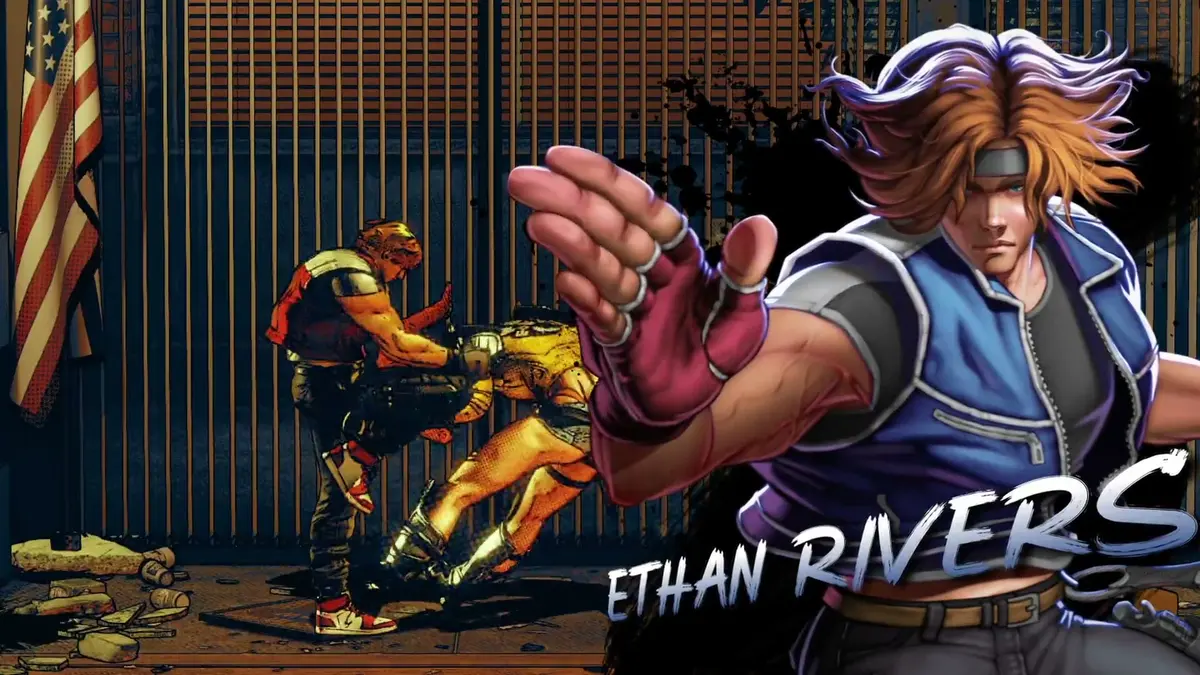
Once you have a feel for the basics, the character guide→ explains which fighter fits which playstyle.
FAQ
What difficulty should I start on in Takeover 2?
Start on Classic, the lowest clear difficulty confirmed by the achievement list. Learn the enemy tells, then move up to Mania and Hardcore.
How do I stop dying in Takeover 2?
Stop fighting in the middle of the screen, kill shooters first, use throwables to break up groups, and parry only the attacks you recognize. Most deaths come from committing to a long combo while a second enemy is winding up.
Is co-op easier than solo?
Local co-op is more forgiving because revives and split aggro reduce wipes, but it is also visually busier. Assign roles and avoid stacking on the same spot.
Sources
- Takeover 2 on Steam ↗
- Steam news and patch notes ↗
- Takeover 2 achievements statistics ↗
- r/BeatEmUps demo impressions ↗
Official source: Takeover 2 on Steam ↗ Takeover 2 guides and walkthroughs